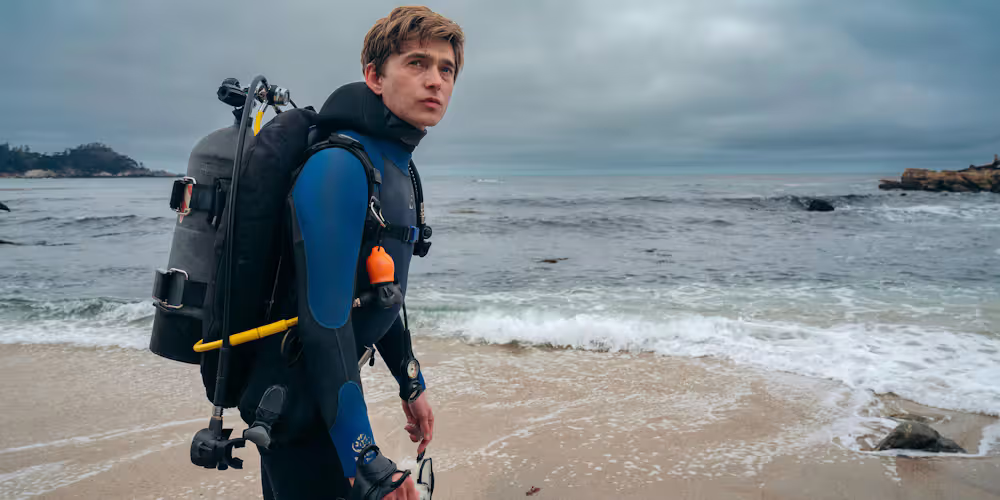
GREAT BAY--St. Maarten natural resource manager, marine conservationist and author Tadzio Bervoets, MSc, highlighted the importance of protecting Caribbean coral reefs not only as an environmental priority, but also as a matter of public health, food security and economic resilience during the Climate and One Health Conference held in Barbados on October 27 and 28, 2026.
The conference, organized by Ross University School of Medicine, the American University of the Caribbean School of Medicine and Ross University School of Veterinary Medicine, brought attention to the relationship between climate change and human, animal and environmental health.
Delivering a presentation titled “Healthy Oceans, Healthy People: Coral Reefs, Climate and the Future of Caribbean Wellbeing,” Bervoets explained that the deterioration of coral reef ecosystems has consequences that extend well beyond marine biodiversity, affecting coastal protection, livelihoods, nutrition, water quality and the overall wellbeing of Caribbean communities.
He noted that coral bleaching, habitat loss and declining reef health can increase economic and social pressures on coastal communities, particularly those dependent on fishing, tourism and other marine-related activities. These environmental changes can also affect household income, access to healthcare and community identity.
Drawing on conservation initiatives in Jamaica and St. Maarten, Bervoets outlined how coral restoration, reef monitoring, marine protected areas and community participation can help strengthen resilience to climate-related threats. He highlighted the work of the Alligator Head Foundation in Portland, Jamaica, and the contribution of traditional fishers' knowledge to the planning of St. Maarten's Man of War Shoal Marine Park.
A central message of his presentation was the need to incorporate coral reef protection into broader public health, disaster preparedness and climate adaptation policies. Bervoets emphasized that environmental decline should not be treated separately from the social and economic challenges facing vulnerable Caribbean communities.
He also addressed the importance of climate justice, urging greater consideration of communities that face significant climate-related risks despite contributing relatively little to global climate change. His presentation stressed the need for coordinated regional responses, including agreed warning thresholds, clearly defined responsibilities, effective communication systems and financing arrangements established before environmental emergencies occur.
Among the approaches discussed were blue bonds, debt conversion and parametric insurance, which could provide financing for marine conservation, disaster preparedness and environmental recovery.
Bervoets currently serves as Chair of the UNESCO Ocean Decade Task Force for Latin America and the Caribbean, Caribbean Regional Lead for the Coral Restoration Consortium's Caribbean Coral Emergency Response Plan and Executive Director of the Alligator Head Foundation. He also serves on the Caribbean Steering Committee of the Global Coral Reef Monitoring Network and the United Nations Caribbean Environment Programme's Protected Area Working Group.
His professional background includes leadership roles with the St. Maarten Nature Foundation and the Dutch Caribbean Nature Alliance, along with regional and international conservation initiatives focused on marine biodiversity, sustainable financing and environmental policy.
Concluding his presentation, Bervoets underscored the need for Caribbean governments and institutions to recognize healthy marine ecosystems as essential to protecting the region's communities and economies.
“Protecting the reef is preventive care for the Caribbean,” he stated.